
Merging on Highway 401 at 110 km/h: A G Test Skill Most Drivers Get Wrong
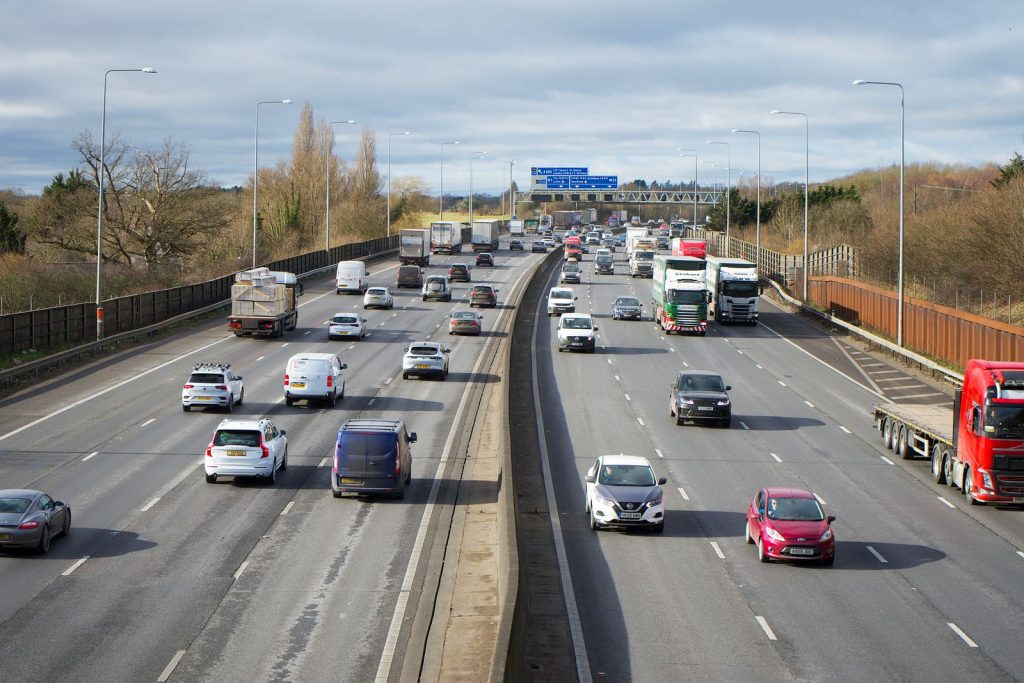
The merge is where most G test candidates lose confidence, and the fix is simple to say and harder to do: use the on-ramp to reach highway speed before you join the traffic lane, not after. A driver who enters Highway 401 traffic at 70 km/h forces everyone behind to brake. A driver who accelerates on the ramp, picks a gap early, checks the blind spot and moves over smoothly at traffic speed looks like someone who belongs on the highway, which is exactly what the G test is assessing.
This guide breaks the merge into the steps examiners can actually see, so you can practise each one on Eastern Ontario ramps before test day.
Why does merging matter so much on the G test?
The G test is the step from a G2 licence to a full G licence, and highway driving is the main skill it adds. Examiners assess the same habits as the G2 test, observation, speed control, spacing, turns and lane changes, but at 100 to 110 km/h, where gaps close faster.
There is no published official pass mark for Ontario road tests, and no official list of automatic failures. Examiners record whether your driving is safe, consistent and observant across the whole route. The goal is a repeatable routine, not a perfect performance.
What is the correct merging routine, step by step?
Practise this sequence until it runs in the same order every time:
- Enter the on-ramp and check your mirrors as the ramp straightens.
- Accelerate firmly on the ramp. The ramp is built for building speed, so use its full length instead of coasting.
- Pick your gap early. Look at the traffic lane beside you and choose the space behind one vehicle and ahead of the next, rather than aiming at a single car.
- Match the speed of traffic before the ramp ends. Near Cornwall and across Eastern Ontario, posted Highway 401 limits include 110 km/h sections, so be ready to merge at the speed traffic is actually travelling, up to the posted limit.
- Signal, then do the full check in order: mirror, signal, blind spot. The blind spot check is the step candidates most often skip at highway speed.
- Move into the gap in one smooth motion. Do not brake on the ramp or in the merge lane unless traffic itself is slowed or stopped.
- Once in the lane, cancel your signal, settle at a steady speed and build a safe following gap before you think about anything else.
If the gap you picked closes, the safe answer is to adjust your speed on the ramp while you still have ramp left, and take the next gap. Forcing your way in beside a vehicle that has nowhere to go is the one move that turns a routine merge into a dangerous one.
What do candidates most often get wrong?
The same four habits show up again and again in practice lessons:
- Merging too slowly. Entering at well below traffic speed makes the merge longer, scarier and harder for everyone behind you. Accelerate on the ramp, where there is no traffic beside you.
- Braking at the end of the ramp. Stopping or near-stopping on a ramp is dangerous for drivers behind you and leaves you trying to join fast traffic from a standstill. Keep moving and take a later gap instead.
- Skipping the blind spot check. Mirrors do not show the vehicle sitting at your rear quarter. At highway speed that vehicle is exactly where you are about to move.
- Staring at the car beside you. Candidates fixate on the vehicle they are merging next to and stop scanning ahead. Keep your eyes moving: ahead, mirror, blind spot, ahead again.
How should you handle transport trucks on the 401?
Highway 401 through Eastern Ontario carries heavy truck traffic, and merging around trucks is a normal part of driving this corridor, on the test and after it.
- Do not merge into the small space directly in front of a loaded truck. Trucks need far more room to stop than cars do.
- If a truck is in the lane beside the ramp, it is usually easier and safer to adjust speed and merge behind it, where you control the gap.
- Expect spray and buffeting when a truck passes in wet weather. A firm, relaxed grip and a steady line matter more than small corrections.
What about exiting and lane changes after the merge?
The merge is only the first highway skill the examiner sees. After it, expect ordinary lane changes at speed and an exit.
- Change lanes the same way you merged: mirror, signal, blind spot, then one smooth move, with no drop in speed.
- Plan your exit early. Move to the exit lane in good time, signal, and slow down on the deceleration lane, not in the live traffic lane.
- Keep a steady following distance. At highway speed, gaps shrink fast when traffic bunches, and examiners watch whether you rebuild your space calmly or ride the bumper ahead of you.
Our G road test preparation guide sets out the full list of skills assessed on the G test, including highway driving, and is the best page to review the night before.
Frequently Asked Questions
Match the speed of the traffic you are joining, up to the posted limit. On 110 km/h sections of the 401 that means building to highway speed on the ramp itself. Merging far below traffic speed forces other drivers to brake and is one of the most common merging faults.
Adjust your speed earlier, while you still have ramp left, and take the next gap. In slow or stopped traffic, merge at traffic speed, which may be very slow, and wait for a driver to let you in. Do not stop on a free-flowing ramp and do not force your way into a space that is not there.
Yes. Mirrors and a blind spot check cover different areas. The vehicle most likely to be missed in a merge is sitting in the rear quarter area that mirrors do not show, which is why the mirror, signal, blind spot order matters on every lane change and merge.
Ontario publishes no official pass mark and no official list of automatic failures, so no honest instructor can promise you a formula. Examiners assess the whole drive. A merge that creates a dangerous situation is serious, which is why practising the routine until it is automatic is the right preparation, rather than worrying about single moments.
Practise on real ramps at quieter times first, with your supervising driver or instructor, repeating the routine out loud until it is automatic: accelerate, pick a gap, mirror, signal, blind spot, merge, settle. Short, repeated practice on 401 ramps near Cornwall builds the habit faster than one long drive.
Ready to practise your highway driving?
Malik’s Defensive Driving School teaches G test preparation across Eastern Ontario, based in Cornwall with instructors who also travel to Hawkesbury. If merging, lane changes or highway speed are the parts of the G test that worry you, a focused block of highway lessons will settle them. Book a lesson and tell us your test date, and we will build your practice around it.