
Distracted and Stunt Driving Penalties in Ontario in 2026: What Every New Driver Must Know
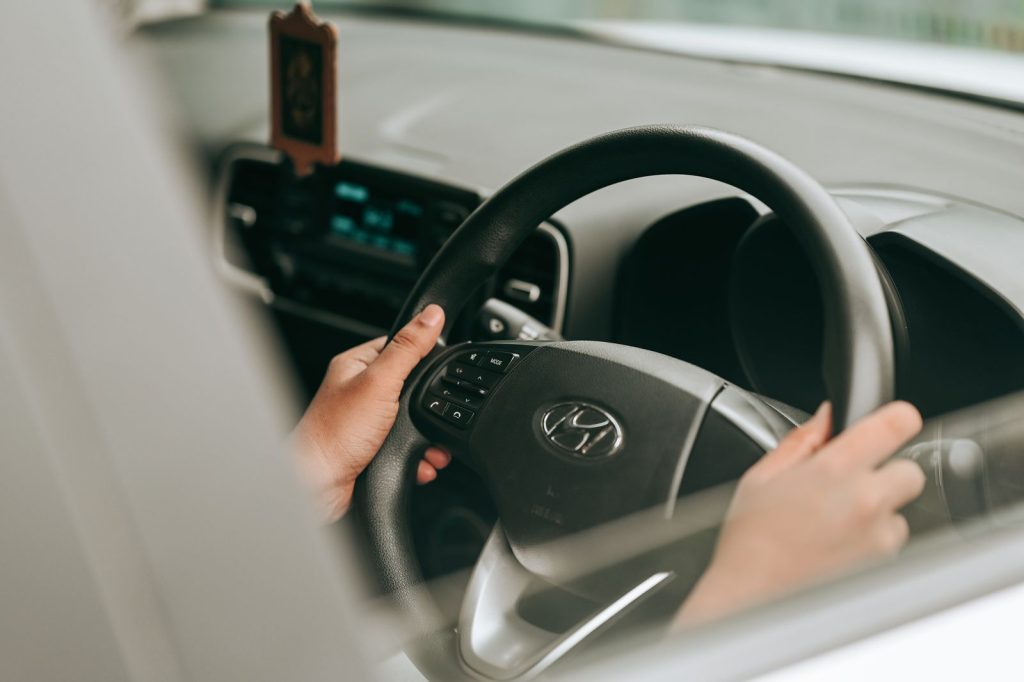
In Ontario in 2026, a first distracted driving conviction costs a fully licensed driver a $615 set fine, 3 demerit points and a 3-day licence suspension. A stunt driving charge is far worse: your licence is suspended for 30 days and your vehicle is impounded for 14 days at the roadside, before any court date, and a conviction adds a fine of $2,000 to $10,000 and a licence suspension of one to three years. New drivers on a G1 or G2 licence face longer suspensions for the same behaviour, which is why these two offences matter most in your first years of driving.
This guide sets out what counts, what it costs, and the habits that keep you clear of both.
What counts as distracted driving in Ontario?
Ontario’s Highway Traffic Act makes it illegal to hold or use a hand-held wireless communication device or a hand-held electronic entertainment device while driving. That includes:
- Holding a phone in your hand, even without using it
- Texting, dialling, scrolling or checking notifications
- Using a hand-held device while stopped in traffic or waiting at a red light
- Watching a display screen unrelated to driving
The law applies the whole time you are in control of the vehicle on a road, not only while the car is moving. A phone in your hand at a red light is the same offence as a phone in your hand at highway speed. Other distractions, such as eating or reaching for objects, can still lead to a careless driving charge if they put others at risk.
What is the penalty for distracted driving in Ontario?
Penalties rise with each conviction within five years. For fully licensed drivers:
| Conviction | Fine | Demerit points | Licence suspension |
|---|---|---|---|
| First | $615 set fine, up to $1,000 if convicted in court | 3 | 3 days |
| Second (within 5 years) | $615 set fine, up to $2,000 in court | 6 | 7 days |
| Third or more (within 5 years) | $615 set fine, up to $3,000 in court | 6 | 30 days |
Demerit points stay on your record for two years, and the conviction affects your insurance for longer. For a new driver, that insurance increase often costs far more over the following years than the fine itself.
How are novice drivers (G1 and G2) treated differently?
Novice drivers are held to a stricter standard. If you hold a G1, G2, M1 or M2 licence:
- You receive no demerit points for a distracted driving conviction, because the graduated licensing system uses suspensions instead
- A first conviction brings a 30-day licence suspension
- A second conviction brings a 90-day licence suspension
- A third conviction can mean your licence is cancelled and you start the graduated system again
Thirty days without a licence is a serious disruption, and it arrives on top of the same $615 set fine.
What counts as stunt driving in Ontario?
Speed is the trigger most drivers hit. Under Ontario law, stunt driving includes:
- Driving 40 km/h or more over the speed limit on a road posted under 80 km/h
- Driving 50 km/h or more over the speed limit on a road posted 80 km/h or higher
- Driving 150 km/h or more anywhere in the province, including 110 km/h freeway sections
That first threshold surprises people. Driving 100 km/h in a 60 km/h zone on a rural Eastern Ontario road is not a speeding ticket; it is a stunt driving charge. The provincial regulation also covers other high-risk behaviours, such as racing and driving in a way that prevents other vehicles from passing safely.
What happens if you are charged with stunt driving?
The consequences start at the roadside, before any conviction:
- Immediate 30-day licence suspension. You cannot drive from that moment, whatever happens with the charge later.
- Immediate 14-day vehicle impoundment. The vehicle is towed and impounded whether it belongs to you or not, and towing and storage costs fall on the owner.
- Court penalties on conviction. For a first conviction: a fine between $2,000 and $10,000, a licence suspension of one to three years, 6 demerit points, and up to six months in jail in the most serious cases.
Second convictions bring suspensions of three to ten years, and a conviction makes insurance extremely expensive for years.
How do you avoid both offences?
The habits are simple and they are the same ones examiners reward on a road test:
- Put the phone out of reach before you move: in a bag, the glove box, or the back seat, with notifications silenced
- Set your navigation, music and climate controls before you leave, or pull over somewhere safe and legal to change them
- Watch your speed on roads you know well. Familiar rural roads are where the stunt thresholds are easiest to cross without noticing
- Leave earlier. Almost every distraction and speed decision traces back to a driver who was in a hurry
- If a passenger offers to handle the phone, let them
Defensive driving, the approach in our name at Malik’s Defensive Driving School, is mostly this: attention on the road, speed matched to the limit and the conditions, and nothing in your hands but the wheel.
Frequently Asked Questions
Yes. Holding or using a hand-held device while stopped at a red light or in traffic is still distracted driving under the Highway Traffic Act. The offence is about holding and using the device while driving, and being stopped at a light counts as driving.
Demerit points remain on your driving record for two years from the offence date. The conviction itself can stay visible to insurers for longer, which is why the insurance cost of a conviction usually outlasts the points.
At the roadside you lose your licence for 30 days and your vehicle for 14 days immediately. If convicted, a first offence carries a fine of $2,000 to $10,000, a licence suspension of one to three years, and 6 demerit points.
No. Novice drivers (G1, G2, M1, M2) receive no demerit points for a distracted driving conviction. Instead they face longer suspensions: 30 days for a first conviction and 90 days for a second, with licence cancellation possible on a third.
It depends on the posted limit. Forty km/h or more over is a stunt charge where the limit is under 80 km/h. Where the limit is 80 km/h or higher, the threshold is 50 km/h or more over. Driving 150 km/h or more is a stunt charge anywhere in Ontario.
You can dispute any charge in court. What you cannot undo are the roadside consequences of a stunt charge: the 30-day suspension and 14-day impound happen even if the charge is later reduced or withdrawn.
Build the habits before they cost you
The cheapest lesson in this article is the one you learn before a charge, not after. Malik’s Defensive Driving School teaches new and returning drivers in Cornwall and Hawkesbury to drive the way the law expects: phone away, speed managed, attention on the road. Book a lesson and build those habits with an instructor beside you.