Winter Driving in Eastern Ontario: Lessons From 120 Collisions in One Afternoon
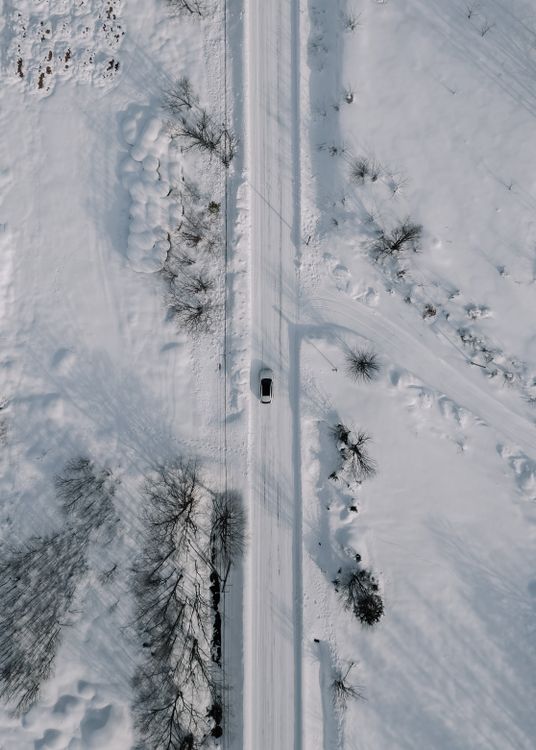
On Sunday, November 9, 2025, the first winter storm of the season crossed Eastern Ontario, and the Ontario Provincial Police (OPP) East Region responded to more than 120 collisions between noon and 4 p.m. Most involved cars and trucks sliding off the road. Some involved several vehicles. There were no fatalities, and reported injuries were non-life-threatening, but lanes on Highway 401 and Highway 417 still had to close while crews cleared the scenes.
Nobody plans to be one of those 120. Almost all of them happened for ordinary reasons that show up every first storm: summer driving habits carried into winter conditions. Here is what that afternoon should teach every driver in the Cornwall and Hawkesbury area before the next storm arrives.
Why the first storm is always the worst
A first snowfall catches drivers on the habits of the last six months. Speeds are set for dry pavement. Following gaps are set for dry pavement. Many cars are still on all-season tires that have lost their edge, and some drivers have not yet switched to winter tires at all.
The road also changes faster than drivers expect. Snow packs into ice at intersections, bridges cool faster than the road around them, and blowing snow can cut visibility to almost nothing, then clear again a kilometre later. Most drivers in the OPP count were not reckless. They were driving a dry-road plan on a winter road.
Lesson 1: the speed limit is a dry-road number
Posted limits assume good conditions. On snow or ice, the right speed is the one that lets you stop inside what you can see, and that is often far below the limit.
- Slow down before conditions force you to. Braking late on ice does not recover the time, it spends your safety margin.
- Stretch your following gap to at least four seconds, and more in blowing snow. Pick a sign or post, and count the gap instead of guessing it.
- Double your normal space behind transport trucks on Highway 401. Their spray can white out your windshield for seconds at a time.
Lesson 2: see, and be seen
Visibility failures turn small mistakes into collisions. Before any winter drive:
- Clear snow and ice from the whole car: windshield, side and rear windows, mirrors, lights, licence plate and roof. Snow left on the roof slides onto your windshield the first time you brake.
- Turn your full headlights on. Daytime running lights do not light your tail lights, so the driver behind you may not see you in blowing snow.
- Top up washer fluid with winter-rated fluid and keep the tank more than half full of fuel, in case a closure strands you in traffic.
- Check road conditions before you leave. The OPP pointed drivers to Ontario 511 during the November storm. If conditions are bad and the trip can wait, let it wait.
Lesson 3: steer gently, and skip the cruise control
Most winter slides start with a sudden input: a hard brake, a quick steering correction, a throttle jab on an icy patch. Smooth is safe.
- Ease off the accelerator and steer gently if the car starts to slide. Look where you want the car to go, not at what you want to avoid.
- If the rear of the car steps out, steer in the direction the rear is sliding, gently, until grip returns, then straighten.
- Brake early and progressively. If you feel the anti-lock brakes pulsing, hold steady pressure and steer; do not pump the pedal in a modern car.
- Turn cruise control off on wet, snowy or icy pavement. The OPP repeats this advice after almost every storm, because cruise control keeps applying power when the wheels start to slip.
Lesson 4: respect the 401 corridor in a storm
Eastern Ontario winter has a local pattern. Open farmland along the 401 and the river flats near the St. Lawrence let wind build, and blowing snow crosses the highway in waves. Bridges and overpasses ice before the road surface. Highway 417 east toward Hawkesbury adds the same whiteout risk in open country.
Local drivers between Cornwall, Hawkesbury and Ottawa should treat a storm forecast as a timing decision, not a driving challenge. Leave before the storm or after the plows. If visibility drops to near zero, slow right down, signal, and get fully off the road somewhere safe rather than stopping in a live lane.
Lesson 5: prepare the car before the season, not during it
- Fit winter tires before the first storm, not after it. They grip in cold weather even on bare pavement, where all-season rubber stiffens.
- Ask your insurer whether a winter tire discount applies to your policy.
- Replace worn wiper blades, test the battery, and pack a small kit: scraper and brush, a shovel, booster cables, a phone charger, warm gloves and a blanket.
- If you have not driven a winter yet, or your last winter went badly, practise in an empty, snow covered lot on the first snowfall: braking, gentle turns and slide recovery at low speed.
What this means for new drivers and test candidates
Winter conditions do not excuse weak basics. Examiners still assess observation, speed choice and spacing, and on a G test the highway portion rewards exactly the habits above: early observation, calm lane changes and real following distance. Our G road test preparation guide covers how highway driving is assessed, and winter is the honest version of the same test.
Frequently Asked Questions
No, Ontario does not make winter tires mandatory by law the way Quebec does. They are still strongly recommended, because winter tire rubber stays flexible in the cold and grips better on snow, ice and cold bare pavement. Many insurers offer a discount for using them.
Ease off the accelerator, avoid sudden braking, and steer gently toward where you want to go. If the rear slides out, steer in the direction the rear is moving until the car straightens. Practising at low speed in an empty lot makes the real moment calmer.
No. Turn it off on wet, snowy or icy pavement. Cruise control keeps the wheels driving when they start to slip, which can deepen a slide before you react.
At least four seconds in snow, and more in blowing snow or on ice. Stopping distances grow so quickly on ice that the two-second dry-road gap is not enough. Count it out against a fixed point rather than judging by eye.
Get out of live traffic if you can do so safely, turn on your hazard lights, and call the police non-emergency line or 911 if anyone is hurt. On a highway, staying in the vehicle with your seat belt on is often safer than standing on the shoulder. Exchange information, photograph the scene if it is safe, and report as your insurer directs.
Sharpen your winter driving before the next storm
Malik’s Defensive Driving School teaches across Eastern Ontario, based in Cornwall with instructors who also travel to Hawkesbury. If you are a new driver facing your first winter, or an experienced driver who wants a calmer storm drive, a short block of refresher lessons now is worth more than one frightening afternoon in February. Book a lesson and tell us what worries you most, and we will build the lesson around it.