
What to Do After a Minor Collision in Ontario: The First Hour, Step by Step
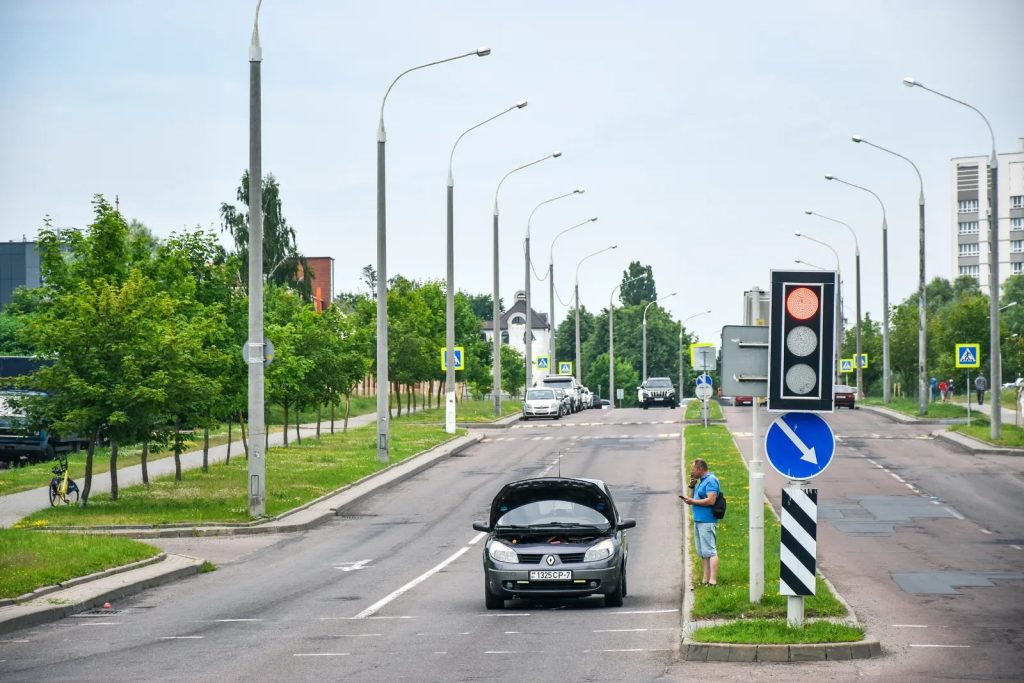
After a minor collision in Ontario, stop, check that everyone is unhurt, and move to a safe place if the vehicles can be driven. Then exchange licence, plate and insurance details with the other driver, photograph the vehicles and the scene, and work out whether the damage must be reported to police. You must report if anyone is injured or if the combined damage looks over $5,000, and you must tell your own insurer within seven days either way.
Step 1: Stop, stay, and make the scene safe
Stopping is a legal duty, not a courtesy. Under Ontario’s Highway Traffic Act, a driver involved in a collision must remain at the scene or return to it immediately, give all possible assistance, and provide their information. Leaving before those duties are done is a separate, serious offence. Once stopped, turn on your hazard lights. If anyone is injured, call 911 and do not move them unless they are in danger. If nobody is hurt and the cars can be driven safely, move them out of traffic to a shoulder or side street so a small crash does not cause a second one. If a vehicle cannot be moved, leave it with the hazards on and wait in a safe place away from traffic.
Call 911 if you suspect the other driver is impaired, if the other driver leaves, if a cyclist or pedestrian was hit, or if the road is blocked. For a damage-only crash, police will often not attend and will direct you to the reporting steps below instead. That direction is normal and does not mean the collision does not count.
Step 2: Exchange the details that matter
Exchange information with the other driver before either of you leaves. You need:
- Full name and address
- Driver’s licence number
- Licence plate number and vehicle description
- Insurance company name and policy number
- A phone number
The Financial Services Regulatory Authority of Ontario (FSRA) publishes a printable accident worksheet for exactly this moment. Photograph the other driver’s licence, plate and insurance slip with your phone if they agree. Note the time, the exact location, the weather and road conditions, and the direction each vehicle was travelling. If anyone stopped as a witness, ask for their name and phone number too, because witnesses are almost impossible to find later.
Stay factual and polite, and do not admit fault or promise to pay for repairs at the roadside. Fault in Ontario is decided afterwards by the insurers using the Fault Determination Rules under the Insurance Act. A signed statement or a promise to pay can complicate your claim, so describe what happened and leave the conclusions for later.
Step 3: Photograph everything before it changes
Scenes change within minutes, so photograph before the vehicles are moved if it is safe, and again afterwards. Cover:
- All vehicles, from several angles, showing every panel with damage
- A wide shot showing the positions of the vehicles on the road
- Close-ups of the damage, including scrapes and cracked lights
- Skid marks, debris, road signs, signals and lane markings nearby
Modern bumpers hide damage behind plastic covers and sensors, so a crash that looks trivial can still be expensive. Take more photographs than you think you need.
Step 4: Decide whether police reporting is required
Ontario’s reporting rule has two triggers. Report the collision to police if anyone is injured, no matter how minor the injury seems. Report it also if the total damage to all vehicles and property involved appears to exceed $5,000. That figure is the combined total, not per car. It took effect on January 1, 2025, when Ontario raised it from $2,000 under Ontario Regulation 596. Many older guides, and even FSRA’s consumer checklist, still show the old $2,000 number. The current threshold is $5,000.
If police did not attend and a report is required, the usual route is a Collision Reporting Centre, where staff help you complete a police report and photograph the damage for your insurer. Bring your driver’s licence, vehicle ownership and insurance documents, and the vehicle itself if it can be driven. Police services expect that report promptly, and many work to a 24-hour expectation, so do not leave it for the weekend.
If nobody was injured and the combined damage is clearly $5,000 or less, no police report is legally required. You still exchange details, take your photographs, and report to your insurer. When you cannot tell whether the damage crosses $5,000, report it anyway. Filing a report that turns out not to be required costs nothing.
Step 5: Tell your own insurer within seven days
Ontario runs on a no-fault insurance system, so you report to your own insurer, broker or agent no matter who caused the crash. FSRA’s guidance is to report within seven days, or as quickly as possible after that. Reporting is not the same as demanding payment. It opens the file and protects you if the other driver later reports injuries or heavier damage. If you were hurt, tell your insurer within seven days that you intend to apply for accident benefits, and return the Application for Accident Benefits form within 30 days of receiving it. Keep your notes, photographs and any police or reporting centre number together.
The habits that keep a minor collision minor
Most of the harm in a small crash is done by what happens next: a driver leaves without exchanging details, nobody photographs the scene, or the insurer hears about it weeks later from the other company. The habits that prevent collisions are covered in our guide to what defensive driving really means. If a collision has shaken your confidence, you can book a lesson in Cornwall or Hawkesbury when you are ready to get back behind the wheel.
Frequently Asked Questions
Only in specific cases. Call 911 if anyone is injured, if you suspect impairment, if the other driver leaves, or if the road is blocked. If nobody is injured and combined damage is $5,000 or less, no police report is required, but you must still exchange details and tell your insurer within seven days.
$5,000 in combined damage to all vehicles and property. Ontario raised it from $2,000 on January 1, 2025, under Ontario Regulation 596. If anyone is injured, reporting is required regardless of the damage amount.
Names and addresses, driver’s licence numbers, licence plate numbers, vehicle descriptions, and each driver’s insurance company and policy number. Get names and phone numbers from any witnesses before they leave.
No. Describe what happened factually and exchange details, but do not admit fault, sign a statement about fault, or promise to pay for repairs. Insurers decide fault afterwards using Ontario’s Fault Determination Rules.
Within seven days, or as quickly as possible after that, according to FSRA, whoever was at fault. If you were injured and want accident benefits, notify your insurer within seven days and return the application form within 30 days of receiving it.
It is a facility where drivers report collisions that police did not attend. Staff help you complete a police report and photograph your vehicle’s damage for your insurer. Bring your licence, ownership and insurance, and the vehicle itself if it is drivable.