Sharing the Road With Trucks on Highway 401: Blind Spots, Space and Wide Turns
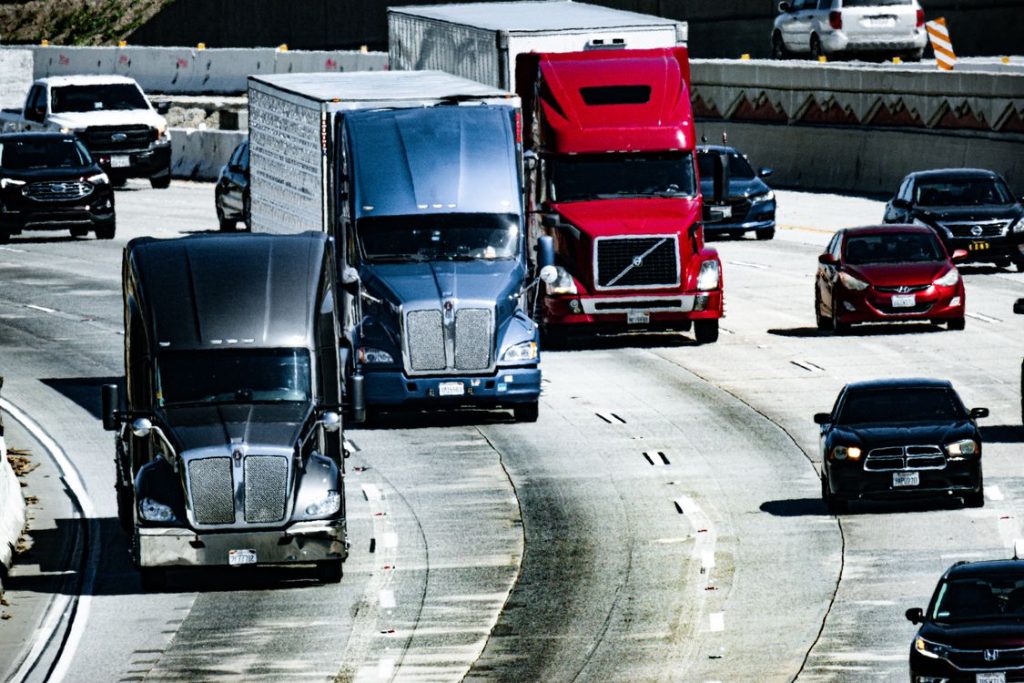
To drive safely around trucks on Highway 401, stay out of their blind spots, give them far more stopping space than a car needs, and never cut in close after passing. The Official MTO Driver’s Handbook makes the reason plain: recent data show the majority of fatalities in collisions involving large commercial trucks are not the result of the truck driver’s actions, but of the other driver’s actions. On the 401 across Eastern Ontario, where cars and tractor-trailers share the road at highway speed every day, the car driver’s habits are the safety margin.
If you cannot see the truck driver’s face, they cannot see you
Large commercial vehicles have big blind spots on both sides, and a blind spot directly behind the trailer. If you are tailgating a truck, the driver cannot see you at all, and if the truck stops suddenly you have no place to go. The handbook test is simple: if you cannot see the driver’s face in the truck’s side-view mirror, the driver cannot see you. Do not cruise in that zone beside a trailer on the 401. Either drop back or complete your pass promptly, and spend as little time as possible travelling alongside a truck.
Give a truck the stopping space it actually needs
A loaded tractor-trailer needs a much longer distance to stop than a smaller vehicle. That changes two habits. First, your own following distance: the minimum safe following distance is at least two seconds in ideal conditions, and the handbook says you need extra space when following large trucks, so leave more than the minimum behind a trailer, where your view of brake lights and traffic ahead is also blocked. Second, your passing habit: after passing a truck, do not cut in front closely. Cutting in steals the space cushion the truck driver needs to stop safely. Wait until you can see the whole front of the truck before moving back, and then keep your speed steady so the gap does not close again.
Expect wide turns, rollback, spray and turbulence
Four truck behaviours catch car drivers out, and all four are in the handbook:
- Wide turns: to make a right turn, a large vehicle may first swing wide to the left to miss the curb. If a gap opens up on its right, do not move into it. As the turn finishes, the trailer swings back into that lane and a car there can be squeezed between the trailer and the curb. Stay well back until the truck has completely cleared the turn. The same caution applies on expressway off-ramps with two turning lanes.
- Rolling back: if you stop behind a large vehicle on a slope, leave plenty of room. When the driver releases the brakes to move off, the vehicle may roll back.
- Spray: in bad weather, large vehicles throw up large amounts of mud, snow and debris, which can land on your windshield and temporarily block your vision. Extra following distance on a wet or snowy 401 is what buys you time when that happens.
- Turbulence: a large vehicle creates heavy air turbulence from air pressure and airflow, and it can affect your control of your car as you pass. Keep a firm grip, expect a push and pull as you move past the trailer and cab, and do not linger beside it.
Use the lanes the way trucks have to use them
On many high-speed roads with three or more lanes in each direction, trucks are not allowed to drive in the far left-hand lane. That makes the lane next to it the truck passing lane. If you are travelling in that centre lane and a truck wants to pass, the handbook advice is to move into the right-hand lane as soon as you can, rather than holding the truck up or forcing it into a slower move. The reverse also matters: do not sit in a truck’s blind spot in the centre lane matching its speed. Adjust your speed, finish the pass or fall back, and give the larger vehicle a predictable road to work with.
A calm routine for every 401 drive near Cornwall
Drivers based in Cornwall use the 401 for work, school and road tests, so truck traffic is not an occasional hazard, it is the normal condition of the road. A workable routine is: check mirrors often, plan passes early so you never sit beside a trailer, leave extra seconds behind trucks in rain and snow, and treat every exit ramp and interchange as a place where a truck may need more room than its lane seems to show. None of this requires faster driving. It requires earlier looking and bigger gaps, which is the whole of defensive driving at highway speed.
Frequently Asked Questions
If you cannot see the truck driver’s face in the truck’s side-view mirror, you are in a position where the driver cannot see you. Large trucks have big blind spots on both sides and directly behind the trailer. Change speed to move out of that zone.
Do not cut in front closely after passing. A large vehicle needs a much longer stopping distance than a car, so move back only when you can see the whole front of the truck and the gap will stay open. Cutting in removes the truck driver’s stopping cushion.
To avoid hitting the right curb, a large vehicle may need to swing wide to the left before a right turn. The space that opens on the right is not a free lane. The trailer moves back into it as the turn finishes, and a car that moved up can be squeezed against the curb.
More than the two-second minimum that applies in ideal conditions, because the handbook calls for extra space when following large trucks, and more again if you are stopped behind one on a slope, because it may roll back when the brakes are released.
Turbulence is the heavy air movement a large vehicle creates, which can push on your car as you pass, so hold the wheel firmly and pass without lingering. Spray is the mud, snow and debris a truck throws up in bad weather, which can briefly block your view, so extra following distance is your protection.
On many high-speed roads with three or more lanes in each direction, trucks are not allowed in the far left-hand lane, so the lane beside it becomes the truck passing lane. If a truck wants to pass while you are in that lane, move right as soon as you safely can.
Practise highway driving with an instructor
Highway confidence around trucks is a learnable routine: mirror checks, early decisions, clean passes and patient gaps. If you are preparing for your G test in Cornwall or Hawkesbury, where the highway section matters, our G road test preparation guide explains what examiners look for at highway speed, and you can book a lesson for one-on-one practice with an instructor beside you.